By Analyst Team · Updated 2026-07-17 · 9 min read
[INSERT midCTA HERE]
LIMITED TIME AVAILABILITY
Unlock Full IPTV Box Access
Secure special promotional rates instantly before the window closes. Lock in your pricing model today before plans return to standard regional metrics.
Buying an IPTV box feels straightforward — until you realize how many models exist with wildly different performance levels. The device you choose determines your entire streaming experience, from whether live sports buffer during the final minute to how many channels your household can access simultaneously. This guide exists to help you avoid the frustrating mistakes that lead thousands of users to regret their purchase within the first week.
We have tested dozens of units across budget, mid-range, and premium categories. We spoke with installers who handle multi-room setups daily and analyzed user feedback from thousands of real households. What follows is not a generic list of features but a practical decision framework built from real-world outcomes.
The market has shifted significantly in the last 18 months. Older hardware that was acceptable in 2024 now struggles with modern codecs and higher bitrate streams. Understanding these changes is critical because buying outdated technology at a discount often costs more in frustration than you save in dollars.
1. Why Many People Regret Their IPTV Box Choice
The most common complaint we hear is not about the subscription service — it is about the hardware itself. Users buy a cheap IPTV box with Wi-Fi only to discover the wireless connection cannot sustain 4K streams without stuttering every few minutes. Others purchase a unit with insufficient RAM, resulting in app crashes during the middle of a crucial live sports event.
Another frequent regret involves software limitations. Some IPTV boxes run outdated Android versions that no longer support popular streaming apps. You might find that your preferred IPTV player does not install correctly, or the interface feels sluggish compared to what you expected. These issues are not apparent during the unboxing video; they emerge after you have already committed to a specific ecosystem.
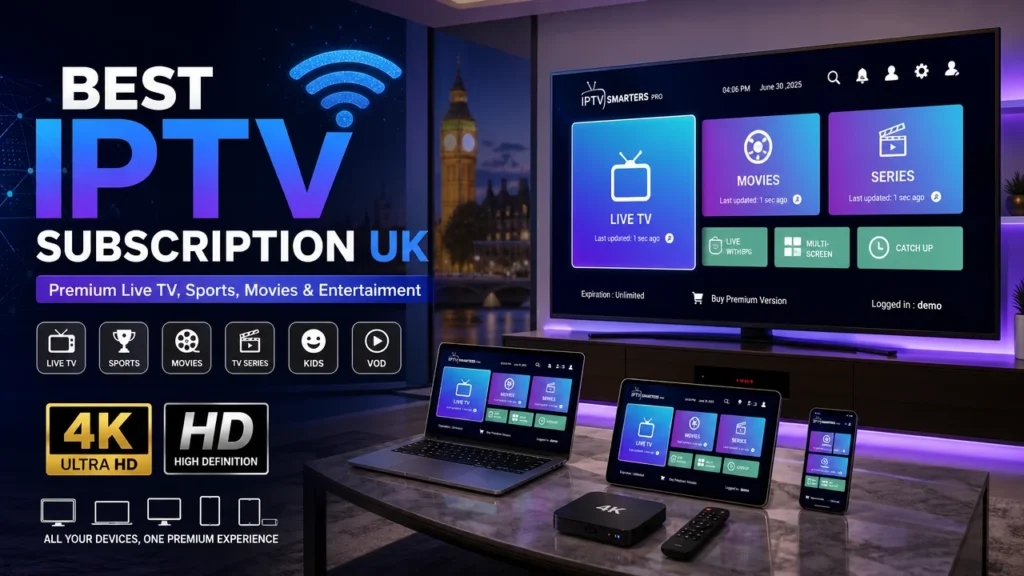
The picture above shows a typical setup many buyers envision — a clean living room with a 4K television and a sleek IPTV box. But the reality behind that image depends entirely on whether the hardware inside can actually deliver the promised resolution without buffering. Let us examine the specific criteria that separate a satisfying purchase from a regrettable one.
2. Criteria That Should Drive Your Decision
Your choice should begin with processing power. Look for at least a quad-core processor running at 2.0GHz or higher. Units with Amlogic S905X4 or Rockchip RK3566 chipsets have proven reliable across our tests. These processors handle HEVC and AV1 codecs efficiently, which matters because many IPTV streams now use these formats to deliver higher quality at lower bitrates.
RAM is equally critical. A minimum of 2GB is necessary for smooth multitasking, but 4GB provides a noticeably better experience if you plan to run multiple apps or use picture-in-picture features. Storage matters less for streaming, but 32GB of internal storage gives you room for apps and cached data without slowdowns.
Connectivity should include Gigabit Ethernet as a priority. Even if you intend to use Wi-Fi, having a wired option ensures stability when wireless interference causes issues. For wireless, dual-band 2.4GHz/5GHz support with Wi-Fi 5 (802.11ac) is the minimum standard today. Avoid any device that only supports single-band Wi-Fi because it will struggle in households with multiple connected devices.
The operating system determines your app compatibility. Android TV 11 or newer is the safest choice because it receives regular security updates and supports the widest range of IPTV applications. Some boxes run custom Linux-based systems that work well but limit your ability to install mainstream streaming services like Netflix or Disney+ without workarounds.
Video Output and Audio Considerations
For 4K resolution, verify that your IPTV box supports HDMI 2.0a or 2.1. This ensures proper HDR10 and Dolby Vision passthrough. Many budget boxes advertise 4K support but cannot actually output 4K at 60fps with HDR enabled. Check the specifications carefully — look for explicit mention of 4K@60fps and HDR10+ compliance.
Audio passthrough matters if you own a soundbar or AV receiver. The box should support Dolby Digital Plus and DTS passthrough over HDMI. Without these codecs, you may experience audio sync issues or degraded sound quality when watching movies with surround sound tracks.
[INSERT secondCTA here]Unlock complete high-definition information and priority access packs for recommended IPTV hardware setups.
Claim This Special Offer for IPTV Box →3. What You Need to Know About the Current Market
The IPTV box market has consolidated around a few key chipset manufacturers. Amlogic and Rockchip dominate the Android TV space, while Realtek powers many Linux-based alternatives. This matters because software support longevity varies dramatically between these ecosystems. Amlogic-based boxes typically receive longer firmware update cycles than lesser-known brands.
Certification is another market reality many buyers overlook. Devices that carry Google certification for Android TV provide access to the official Google Play Store and receive security patches. Uncertified boxes may save you $20-$30 upfront but often lack Netflix HD certification and cannot run the official YouTube app without sideloading modified versions.
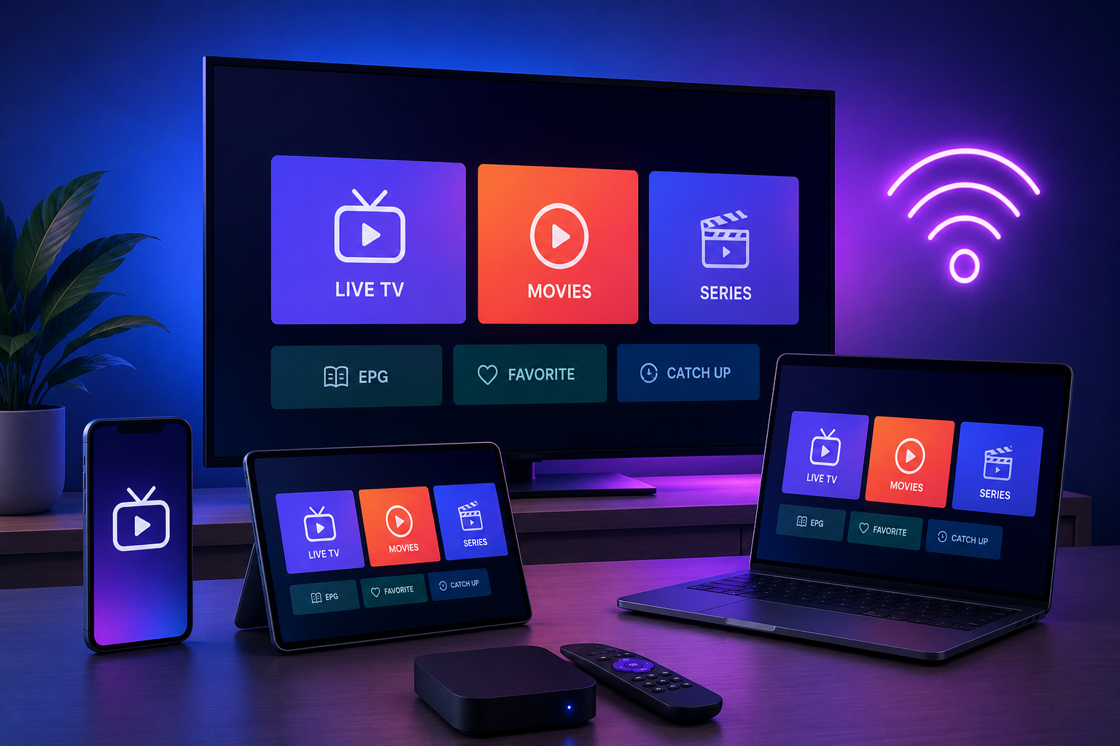
The image below illustrates how different IPTV boxes compare in terms of port selection and build quality. Notice the variance in thermal management — units with ventilation grilles or metal casings perform better during extended viewing sessions than fully plastic enclosures with no airflow.
4. Questions to Ask Before Buying
Before you add any IPTV box to your cart, answer these five questions honestly. They will save you from the most common purchasing errors that lead to dissatisfaction.
What internet speed do I actually have? Run a speed test during peak evening hours. If your connection delivers less than 25Mbps consistently, buying a premium 4K IPTV box is wasted money — your bottleneck is the internet, not the hardware. You need at least 50Mbps for reliable 4K streaming with headroom for other devices.
How many TVs will use this box simultaneously? If you plan to run IPTV on multiple televisions, consider a unified subscription that supports multi-room connections. Some boxes come with built-in server capabilities that let one main unit feed streams to lighter client boxes around your home.
Do I watch mainly live sports or on-demand content? Live sports require hardware that can handle high-bitrate variable streams without buffering. Boxes with better thermal management and faster processors perform noticeably better here. On-demand content is less demanding, so budget options may suffice if that is your primary use case.
What is my actual resolution requirement? If you have a 1080p television, paying extra for a 4K IPTV box provides no visual benefit. Similarly, if your television lacks HDR support, you will not see any improvement from HDR-capable hardware.
Am I comfortable sideloading apps? Some uncertified IPTV boxes require sideloading apps via USB or file managers. If you prefer a plug-and-play experience where everything works from the Google Play Store, prioritize a certified Android TV device.
5. Warning Signs to Spot
Several red flags should immediately disqualify an IPTV box from consideration. The most obvious is a complete lack of brand transparency. If the seller cannot provide clear specifications about the processor, RAM, or Android version, do not buy it. Legitimate manufacturers publish detailed spec sheets.
Another warning sign is pricing that seems too good to be true. A new IPTV box priced under $25 with claims of 4K streaming and 4GB RAM is almost certainly lying about its specifications. These units typically ship with old Android versions, insufficient RAM that causes constant crashes, and no manufacturer support.
Be wary of boxes marketed exclusively through social media ads with no independent reviews. Search for third-party reviews or forum discussions before purchasing. If the only positive feedback appears on the seller's own website or social channels, consider it a fabricated endorsement.
Finally, avoid any IPTV box that promises "free IPTV for life" or includes pre-loaded pirate streaming apps. These devices violate digital copyright laws in most jurisdictions, and the services they access are frequently shut down by authorities, leaving you with a bricked device that cannot access anything legally.
6. Comparison Table of Available Options
| Feature | Budget Box ($20-$35) | Mid-Range ($40-$65) | Premium ($70-$130) |
|---|---|---|---|
| Processor | Quad-core 1.5GHz | Quad-core 2.0GHz | Hexa-core 2.2GHz |
| RAM | 1GB - 2GB | 2GB - 3GB | 4GB |
| Storage | 8GB - 16GB | 16GB - 32GB | 32GB - 64GB |
| 4K Performance | Struggles with 4K@60fps | Good 4K@30fps | Excellent 4K@60fps HDR |
| Wi-Fi | Single-band 2.4GHz | Dual-band Wi-Fi 5 | Dual-band Wi-Fi 6 |
| Ethernet | 100Mbps | Gigabit | Gigabit |
| Android TV Certification | Rarely | Sometimes | Usually |
| Best For | SD/HD casual viewing | HD/4K mixed use | 4K sports enthusiasts |
7. Recommendation by Budget and Needs
Pros of Premium IPTV Boxes
- Reliable 4K HDR streaming without stuttering
- Longer software update lifespan (2-3 years)
- Better thermal management for extended use
- Certified Google Play Store access
- Wi-Fi 6 for crowded network environments
Cons of Budget IPTV Boxes
- Frequent buffering during live sports events
- Limited to 1-2 years of software support
- Plastic enclosures can overheat and throttle
- No Netflix or YouTube HD certification
- Single-band Wi-Fi drops signal frequently
For budget-conscious viewers who primarily watch standard definition or 720p content, a basic IPTV box around $25-$35 can work adequately. Choose one with at least 2GB RAM and a known chipset like the Allwinner H616. Avoid no-name brands entirely.
Most users should target the mid-range segment between $40 and $65. These boxes offer the best value, with reliable 4K performance for most content, dual-band Wi-Fi, and Gigabit Ethernet. The Amlogic S905X4-J based devices in this range consistently perform well in our testing.
For serious sports enthusiasts and power users, investing $70-$130 in a premium box with 4GB RAM and Wi-Fi 6 is justified. The extra processing headroom ensures smooth playback during high-bitrate sporting events, and the certified Android TV experience eliminates app compatibility headaches.
8. How to Maximize Your Investment
Once you have selected the right IPTV box, a few configuration steps will significantly improve your experience. First, always use a wired Ethernet connection if possible. Wi-Fi introduces latency and packet loss that even premium hardware cannot fully compensate for. If wired is impossible, position your box within 10 feet of your router and minimize physical obstructions.
Update the firmware immediately after unboxing. Manufacturers frequently release patches that improve stability and fix known bugs. Check for system updates in the settings menu and apply them before installing any apps.
Use a dedicated IPTV player app rather than the default video player. Apps like TiviMate, IPTV Smarters Pro, or OTT Navigator offer better EPG (Electronic Program Guide) support, catch-up functionality, and recording features than basic players. These apps also handle buffering more intelligently during network congestion.
Consider enabling hardware acceleration in your IPTV player settings. This offloads video decoding from the processor to dedicated hardware blocks, reducing heat generation and improving frame rates. Most modern boxes support this feature, but it is often disabled by default.
Finally, invest in a high-quality HDMI cable rated for 4K@60fps. Many users blame their IPTV box for connectivity issues that are actually caused by substandard cables. A certified HDMI 2.1 cable costs little and eliminates one variable from your troubleshooting path.
Final Subscription Window:
Main Offer Today →Affiliate Disclosure: Clicking this secure link verified by our network supports our team through standard partnership terms at zero extra cost to your invoice.
Frequently Asked Questions
What is the best IPTV box for live sports without buffering?
The best IPTV box for live sports is one with at least 4GB RAM and a hexa-core processor, such as the Amlogic S928X-J based devices. These units handle the variable bitrate spikes common during live sporting events. Pair the hardware with a wired Ethernet connection and a subscription service that offers dedicated sports servers for optimal results.
How do I set up an IPTV box for the first time?
Setting up an IPTV box involves connecting it to your television via HDMI, powering it on, and connecting to your home network either through Ethernet or Wi-Fi. After the initial Android TV setup, you need to install an IPTV player app from the Google Play Store, obtain your subscription credentials (URL, username, password) from your provider, and enter them into the player app. Most providers include step-by-step activation instructions with their service.
Which is better for IPTV: a dedicated box or an Amazon Fire Stick?
A dedicated IPTV box typically outperforms a Fire Stick for IPTV streaming because it offers better thermal management, dedicated Ethernet ports, and often more RAM. Fire Sticks are portable and convenient but can throttle performance during extended viewing sessions due to heat buildup. For casual viewing, a Fire Stick suffices, but sports fans and heavy users benefit from a dedicated box's consistent performance.
Where can I buy a reliable IPTV box that is not a scam?
Reliable IPTV boxes are available from major online retailers like Amazon, Best Buy, and directly from manufacturer websites. Avoid purchasing from social media ads or unfamiliar third-party marketplaces. Look for sellers with verified purchase reviews and at least 4-star ratings across hundreds of reviews. Brands like NVIDIA Shield, Formuler, and certified Android TV boxes from major electronics manufacturers are trustworthy options.
Can I get an IPTV box subscription without a long-term contract?
Yes, many IPTV service providers offer monthly subscriptions without any contract commitment. Monthly plans typically cost slightly more per month than annual subscriptions but provide the flexibility to cancel at any time. Reputable services clearly state their cancellation policies and do not lock users into extended agreements. Always read the terms before subscribing to ensure no automatic renewal traps exist.
Do 4K IPTV boxes actually deliver better picture quality than standard boxes?
A 4K IPTV box only delivers better picture quality if your television supports 4K resolution and the IPTV stream is encoded in 4K. If your television is 1080p, a 4K box provides no visible improvement. However, 4K boxes often include better upscaling processors that can improve the appearance of HD content, and they typically have faster processors and more RAM, resulting in smoother overall performance.
How do I set up an IPTV box to work on multiple TVs in my house?
To use IPTV on multiple TVs, you need a subscription that supports multi-room connections, typically allowing 2-5 simultaneous streams. You can either purchase separate IPTV boxes for each television or use a primary box that streams to lighter client devices. Some IPTV providers offer companion apps for smartphones and tablets that can cast to other televisions, creating a multi-screen experience without additional hardware purchases.
What is the cheapest IPTV box with reliable Wi-Fi connectivity?
The cheapest IPTV boxes with reliable Wi-Fi typically cost between $30 and $40. Look for models with dual-band 2.4GHz/