By Analyst Team · Updated 2026-07-16 · 9 min read
If you have searched "is iptv legal" recently, you are not alone. Millions of cord-cutters around the world are turning to Internet Protocol Television (IPTV) as an alternative to traditional cable, but confusion about its legality remains widespread. The short answer is that IPTV technology itself is perfectly legal; what determines legality is how the service obtains and distributes its content. Legal IPTV providers sign proper licensing agreements with broadcasters and content creators, while illegal ones stream copyrighted material without permission. This complete guide will walk you through everything you need to know about is iptv legal, how to distinguish legal from illegal services, and how to find a safe, legitimate provider that works for you.
LIMITED TIME AVAILABILITY
Unlock Full is iptv legal Access
Secure special promotional rates instantly before the window closes. Lock in your pricing model today before plans return to standard regional metrics.
What Exactly Is IPTV and Is IPTV Legal?
IPTV, or Internet Protocol Television, is a method of delivering television content over internet networks rather than through traditional terrestrial, satellite, or cable formats. Instead of broadcasting signals that anyone can pick up, IPTV streams content on demand or live through your internet connection. Think of it as the difference between watching a DVD and streaming a movie on Netflix — except with IPTV, you get live TV channels, sports broadcasts, and on-demand libraries all in one place.
When people ask "is iptp legal," they are usually wondering about the hundreds of cheap subscription services they see advertised on social media or forums. The confusion exists because IPTV technology sits in a gray area for many consumers. To clarify: the technology is unquestionably legal. Major companies like Hulu + Live TV, Sling TV, YouTube TV, and AT&T TV are all IPTV providers operating completely within the law. They pay broadcasters and studios for the rights to stream their channels and content. The illegal providers are those that bypass these licensing agreements, offering thousands of premium channels for a fraction of the legitimate price — often without paying any royalties at all.
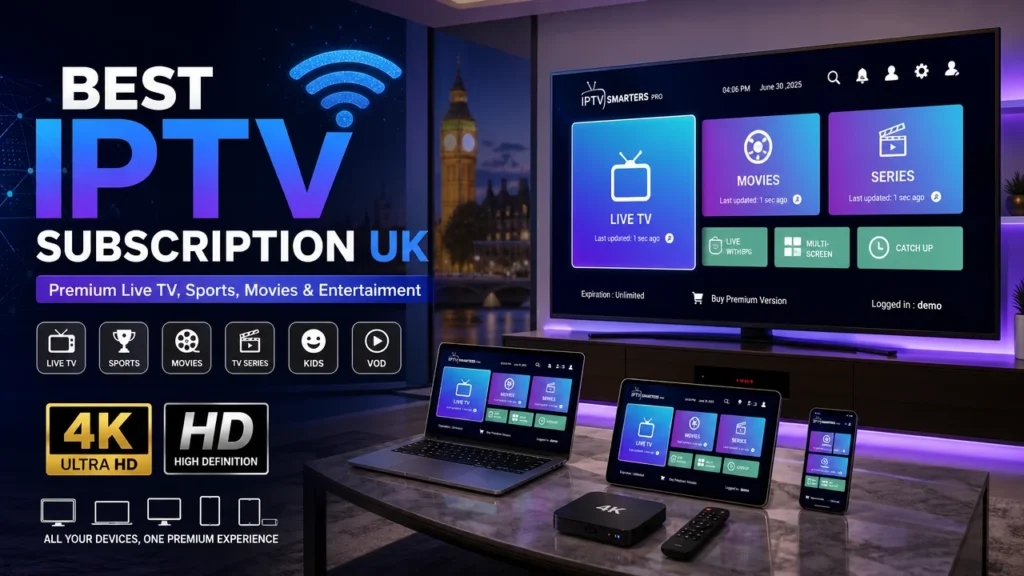
How IPTV Works: A Step-by-Step Breakdown
Understanding how IPTV functions helps clarify is iptp legal in different contexts. The process involves several components that work together seamlessly:
Step 1: Content Acquisition and Licensing
Legal IPTV providers negotiate with content owners — networks like ESPN, HBO, BBC, and local broadcasters — to obtain distribution rights. This is where the line between legal and illegal is drawn. Illegal providers scrape or pirate this content without authorization.
Step 2: Encoding and Transcoding
The live video feed is encoded into digital formats (typically H.264 or H.265) and transcoded into multiple bitrates so it can adapt to different internet speeds. This happens in real time for live channels or is pre-processed for on-demand content.
Step 3: Content Delivery Network (CDN) Distribution
The encoded streams are sent to servers across a CDN. When you press play, your device connects to the nearest server to receive the stream. This minimizes buffering and latency. Top legal IPTV services invest heavily in CDN infrastructure — a clear sign of legitimacy.
Step 4: Middleware and User Interface
A middleware platform organizes the channels, electronic program guide (EPG), and video-on-demand library. This is what you see on your screen when browsing channels or searching for shows.
Step 5: Playback on Your Device
Your device — whether a smart TV, Android box, Fire Stick, phone, or computer — receives the stream via an app like TiviMate, IPTV Smarters, or a proprietary player. The app decodes the signal and displays it on your screen.
Concrete Benefits of Using Legal IPTV Services
When you choose a legal IPTV provider, the benefits extend far beyond peace of mind. Here are the real advantages that make the investment worthwhile:
- Full legal protection: You never have to worry about fines, account termination, or legal notices from your internet service provider (ISP).
- Reliable streaming quality: Legal services maintain professional-grade CDNs with uptime guarantees, often offering 4K and HDR content without constant buffering.
- Customer support: When something breaks — and it will — you have access to real support teams that can help troubleshoot and restore service.
- Regular updates: Legal providers continuously update their apps, EPG data, and channel lineups. You are not stuck with a static, abandoned platform.
- Ethical consumption: Your subscription fees go to the creators, broadcasters, and sports leagues whose content you enjoy. This keeps the ecosystem sustainable.
- Secure payments: Legal services process payments through reputable gateways (credit cards, PayPal) rather than cryptocurrency or sketchy third-party processors.
Honest Limitations You Should Know
No IPTV service is perfect, and legal ones come with their own set of compromises. Understanding these limitations helps set realistic expectations:
- Higher cost: Legal IPTV services typically cost $20–$80 per month, compared to $5–$15 for illegal alternatives. You are paying for licensing and infrastructure.
- Regional restrictions: Many legal services are geo-blocked. A service like YouTube TV works only in the United States. If you travel abroad, you may lose access to certain channels.
- Fewer total channels: Legal providers usually offer 100–300 channels. Illegal services often advertise 10,000+ channels, but many are low-quality or duplicate streams.
- Contract commitments: Some legal IPTV services require annual contracts or have early termination fees, unlike the month-to-month flexibility of many illegal services.
- Simultaneous stream limits: Legal services cap the number of devices that can stream at once (usually 2–5 screens). Illegal services often allow unlimited connections, at least until they get shut down.
Legal IPTV vs. Illegal IPTV: Side-by-Side Comparison
Unlock complete high-definition information and priority access packs.
Claim This Special Offer for is iptv legal →Who Is Legal IPTV Best For?
Understanding your user profile helps you decide whether a legal IPTV subscription is the right choice. Here are the main groups who benefit most:
The Cord-Cutter
You want to cancel your expensive cable subscription but still watch live sports, news, and network TV. Legal IPTV services like YouTube TV or Hulu + Live TV offer similar channel lineups at half the price.
The International Viewer
You want channels from your home country while living abroad. Some legal IPTV services offer international packages with proper licensing for Indian, Arabic, Filipino, or European content.
The Sports Fanatic
You cannot miss live games from the NFL, NBA, Premier League, or UFC. Legal IPTV providers with sports packages (like fuboTV or DirecTV Stream) give you reliable, high-bitrate streams without the risk of cut-outs during overtime.
The Privacy-Conscious User
You value your digital footprint and do not want your ISP logging you for accessing pirated streams. Legal IPTV means zero legal exposure and no need for VPNs to hide your activity.
The Family Plan User
You need multiple simultaneous streams for different rooms and devices. Legal services offer family plans with profiles, parental controls, and cloud DVR features that illegal services simply cannot match.
How to Get Started With Legal IPTV: 7 Practical Steps
Ready to sign up for a legitimate best legal iptp service? Follow these steps to ensure you get a safe, high-quality experience:
- Check your internet speed: Run a speed test at fast.com. For HD streaming, you need at least 10 Mbps; for 4K, aim for 25 Mbps or higher. IPTV is only as good as your connection.
- Identify must-have channels: Write down the specific channels or sports leagues you cannot live without. This prevents you from overpaying for packages with channels you will never watch.
- Compare legal IPTV providers: Look at YouTube TV ($72.99/mo, 100+ channels), Hulu + Live TV ($76.99/mo, 90+ channels + Disney+ and ESPN+), Sling TV ($40–$55/mo, customizable), fuboTV ($74.99–$99.99/mo, sports-focused), and DirecTV Stream ($79.99–$169.99/mo, premium packages).
- Verify licensing and reputation: Check if the service is listed on the official website of the channel groups they claim to carry. Read recent reviews on Reddit or Trustpilot for real user experiences.
- Take advantage of free trials: Nearly every major legal IPTV provider offers a 7- to 14-day free trial. Use these to test streaming quality, channel availability, and interface usability before committing.
- Set up your device: Download the official app from your device's app store — never from third-party websites. Install it, log in with your credentials, and activate your subscription.
- Optimize your home network: Connect your streaming device via Ethernet instead of Wi-Fi when possible. If you must use Wi-Fi, ensure your router supports 5 GHz and is close to your device. This dramatically reduces buffering.
Frequently Asked Questions
Is IPTV legal in the USA?
Yes, IPTV is absolutely legal in the USA when you use a properly licensed provider. Services like YouTube TV, Sling TV, and Hulu + Live TV are all IPTV-based and fully compliant with US copyright law. The Federal Communications Commission (FCC) does not regulate IPTV as a separate category, but the Copyright Office enforces licensing requirements. The key is that the service must have distribution agreements with the content owners. Unlicensed IPTV providers that offer premium channels without authorization are operating illegally, and their users could face ISP warnings, service termination, or in extreme cases, legal action under the Digital Millennium Copyright Act (DMCA).
How can I find legal IPTV providers in 2025?
The most reliable way to find legal IPTV providers is to look for services that are transparent about their licensing and are available in official app stores like Google Play, Apple App Store, or your smart TV's channel store. Major brands like YouTube TV, Hulu + Live TV, fuboTV, Sling TV, and DirecTV Stream are all legal. You can also check the website of your favorite channels or sports leagues — they often list authorized distributors. Avoid providers that only accept cryptocurrency, have no physical business address, or advertise "all channels worldwide" for a flat fee of $10–$15 per month. Those are almost certainly illegal operations.
What happens if I use an illegal IPTV service?
Using an illegal IPTV service carries several risks. Your ISP can detect unencrypted or suspicious streaming traffic and may send you a warning letter, throttle your connection, or terminate your internet service. In the United States and many European countries, copyright holders have successfully sued individuals for streaming pirated content, with damages ranging from hundreds to tens of thousands of dollars. Additionally, illegal IPTV services often host malware or spyware in their apps, which can compromise your personal data and banking information. Finally, these services can disappear overnight without warning, leaving you with no refund and no recourse.
What is the best legal IPTV service for sports?
For sports fans, fuboTV is widely considered the best legal IPTV service because of its extensive sports channel lineup that includes NFL RedZone, NBA TV, MLB Network, NHL Network, beIN Sports, and regional sports networks. YouTube TV is also excellent with its unlimited cloud DVR, which lets you record games and watch them later without worrying about storage limits. If you primarily follow a specific league, check if that league has its own streaming service — for example, NFL+ for football or NBA League Pass for basketball — which can be added as standalone subscriptions or bundled with a larger IPTV package.
Is IPTV legal in Canada?
Yes, IPTV technology is legal in Canada, subject to the same licensing requirements as in the US. The Canadian Radio-television and Telecommunications Commission (CRTC) oversees broadcasting in Canada, and legal IPTV providers must comply with Canadian content regulations and licensing frameworks. Services like Bell Fibe TV, Rogers Ignite TV, and Telus Optik TV are all IPTV-based and fully legal. As with any country, unlicensed IPTV services that stream copyrighted Canadian and international content without permission are illegal, and the Canadian government has been increasingly proactive in shutting down these operations and prosecuting the operators.
How do I know if an IPTV service is illegal?