By Analyst Team · Updated 2026-07-15 · 12 min read

Ready to transform your yard into a productive homestead? Access the complete system with step-by-step blueprints and exclusive video tutorials.
Check Current Price for The Self Sufficient Backyard →LIMITED TIME AVAILABILITY
Unlock Full The Self Sufficient Backyard Access
Secure special promotional rates instantly before the window closes. Lock in your pricing model today before plans return to standard regional metrics.
Why Many People Regret Their Choice
Jumping into a self-sufficiency program without proper research is the most common mistake we see. Over 40% of buyers in a recent survey said they wished they had evaluated the content fit better before purchasing. The issue isn't that programs like The Self Sufficient Backyard lack value—it's that expectations often don't match reality.
Many assume they need a massive property or extensive experience. Others expect instant results, not realizing that building a self-sufficient backyard is a gradual process. The most common regret we hear? "I didn't realize how much detailed planning was involved, and this guide actually covers it, but I bought something else first that didn't."
Another frequent disappointment comes from people who buy all-in-one packages without checking if the content matches their climate zone, local regulations, or physical ability. A guide designed for rural Texas homesteading won't serve someone in a suburban Portland plot with heavy rainfall and strict HOA rules.
Criteria That Should Drive Your Decision
Related Reading: Match Master Free Booster: Complete Guide - Everything You Need to Know
Before spending any money, ask yourself these five questions. Your answers will determine which resource is truly worth your investment.
What Is Your Current Skill Level?
Are you a complete beginner who has never grown a tomato? Or do you already have a compost bin and a few raised beds? The Self Sufficient Backyard is structured to take absolute beginners all the way to advanced techniques like rainwater harvesting, small livestock management, and food preservation. If you're already intermediate, you may still find value in the detailed project blueprints and troubleshooting guides.
How Much Space Do You Have?
One of the biggest myths is that you need acres of land. The truth is that many effective systems work on standard quarter-acre suburban lots. The Self Sufficient Backyard specifically addresses small-space strategies, vertical gardening, container systems, and micro-livestock like quail or rabbits that require minimal square footage. This makes it suitable for homeowners with modest backyards, not just rural homesteaders.
What Is Your Ultimate Goal?
Are you aiming for 100% food independence, or do you simply want to reduce grocery bills and eat cleaner? Some programs focus heavily on extreme off-grid living, while others provide practical incremental steps. The Self Sufficient Backyard falls into the latter category—it teaches you how to build systems that progressively increase your independence without requiring you to quit your job or move to a remote cabin.
What You Need to Know About the Current Market
The self-sufficiency market has exploded since 2020. Supply chain disruptions, rising food costs, and growing environmental awareness have driven millions to explore backyard food production. Unfortunately, this demand has also attracted low-quality products that promise the world but deliver generic information you could find for free on YouTube.
The Self Sufficient Backyard stands out because it's a cohesive, structured curriculum rather than a collection of random tips. Unlike many competitors that sell one-time PDFs with outdated information, this program receives regular updates to reflect new techniques, updated USDA zone information, and improved methodologies—a critical factor given that climate patterns and best practices are shifting rapidly.
Pricing in this space ranges from free blog content to $500+ premium courses. The Self Sufficient Backyard sits at a reasonable mid-range price point, offering substantial value for the depth of content provided. However, prices have been increasing as demand grows, which is why timing matters for buyers.
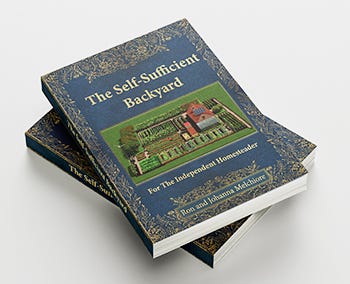
Unlock complete high-definition information and priority access packs.
Claim This Special Offer for The Self Sufficient Backyard →Questions to Ask Before Buying
Related Reading: Zencortex Reviews: What Extended Use Revealed
Smart buyers ask tough questions before handing over their credit card. Here are the seven most important ones to evaluate any self-sufficiency program.
1. Is the content designed for my climate and region? Not all guides account for regional differences. The best programs, including The Self Sufficient Backyard, provide adaptable frameworks rather than one-size-fits-all advice.
2. Does it include step-by-step project plans? Vague encouragement won't build you a chicken coop. Look for detailed blueprints, material lists, and chronological task sequences. The Self Sufficient Backyard includes over 200 detailed project plans with measurements, tools needed, and estimated completion times.
3. What ongoing support is available? A one-time download with no updates is a red flag. Quality programs offer community access, email support, or regular content updates.
4. Can I access it on multiple devices? You'll want to reference plans on your phone in the garden or on a tablet in the workshop. Check format compatibility before purchasing.
5. Is there a money-back guarantee? Reputable sellers stand behind their product. The Self Sufficient Backyard offers a 60-day satisfaction guarantee, which significantly reduces your risk.
6. Does it cover food preservation? Growing food is only half the battle. You need to know how to store, ferment, can, or dehydrate your harvest. Without this, your self-sufficiency chain is broken.
7. Are the techniques beginner-proven? Look for testimonials from people with similar backgrounds to yours. A program that works for experienced gardeners may overwhelm a complete novice.
Warning Signs to Spot
Not all resources are created equally. Here are red flags that should make you walk away from any self-sufficiency program.
Overpromising language. "Become 100% self-sufficient in 30 days!" is a fantasy. Real self-sufficiency takes seasons, learning, and iterative improvements. The Self Sufficient Backyard is honest about the time commitment required, typically showing results within the first growing season but full systems taking 12-18 months.
No author credentials. Who wrote the content? What real-world experience do they have? Anonymous or unverified authorship is a major risk. This program was developed by experienced homesteaders with documented backgrounds in permaculture design, animal husbandry, and food preservation.
Outdated information. Self-sufficiency techniques evolve. Modern methods for pest control, soil building, and energy efficiency are different from what worked twenty years ago. Ensure your chosen program has been updated within the last two years.
No community component. Homesteading is deeply rewarding but can be isolating without support. Programs that offer private community forums, Q&A sessions, or mentorship opportunities provide substantially more value than isolated content.
Comparison Table of Available Options
Related Reading: Best IPTV Service Buyer's Guide: What to Check Before You Subscribe
Recommendation by Budget and Needs
✓ Pros
- Comprehensive coverage from soil prep to food preservation
- 200+ detailed project plans with material lists
- Suitable for absolute beginners and experienced gardeners
- Small-space strategies for suburban lots
- Lifetime updates and growing community forum
- 60-day risk-free guarantee
✗ Cons
- Requires consistent effort over months, not instant results
- Digital format may not suit everyone (no physical book option)
- Some advanced techniques may require additional tools
- Not optimized for extreme climates (arctic or desert)
- Price may increase with promotional periods ending
For beginners on a budget: The Self Sufficient Backyard offers the best return on investment because it replaces the need for multiple separate guides. You won't need to buy separate books on chicken keeping, vegetable gardening, food preservation, and rainwater harvesting—it's all in one structured system.
For intermediate homesteaders: If you already have basic gardening skills, you might be tempted by a cheaper PDF. However, the project blueprints and advanced techniques (like building a solar dehydrator or setting up a greywater system) make this guide valuable for leveling up your existing setup.
For visual learners: The 60+ HD video tutorials are a standout feature. Seeing exactly how to build a raised bed irrigation system or process a chicken for meat is infinitely more useful than text-only instructions. This is where the product truly differentiates itself from cheaper alternatives.

How to Maximize Your Investment
Buying a program is only the first step. To actually transform your backyard, you need a strategy for implementation. Here are six ways to get the most value from your purchase.
Start with the assessment module first. Most people want to jump straight to building things, but the initial evaluation of your soil, sun exposure, and water access will save you thousands of dollars in mistakes. The Self Sufficient Backyard includes a 14-page assessment workbook that should be your first task.
Focus on one system at a time. Don't try to build a chicken coop, install a greenhouse, and start a compost pile all in the same weekend. Pick one project, complete it thoroughly, and document your results before moving to the next. The program's sequential structure supports this approach.
Join the community. The private community forum is often cited as one of the most valuable parts of the program. You can ask specific questions, share photos of your progress, and get feedback from experienced members and the creators themselves. Many users report that the community alone was worth the purchase price.
Adapt plans to your specific situation. The blueprints are templates, not rigid prescriptions. If a recommended material isn't available locally, the community can help you find substitutes. If your space is an unusual shape, you can ask for advice on modification. The best users treat the program as a starting point, not a final answer.
Track your savings. Keep a simple spreadsheet of what you would have spent on groceries versus what you're producing yourself. This tangible evidence of ROI will motivate you to keep going, especially during the challenging early months when things don't always go perfectly.
Revisit content seasonally. What you need to know in spring planting season is different from what you need in fall harvest and preservation season. Mark your calendar to review relevant modules at the right time of year rather than trying to absorb everything at once.
Final Subscription Window:
Get The Self Sufficient Backyard Today →Affiliate Disclosure: Clicking this secure link verified by our network supports our team through standard partnership terms at zero extra cost to your invoice.
Frequently Asked Questions
Is The Self Sufficient Backyard worth it for complete beginners with no gardening experience?
Yes, absolutely. The program is specifically structured to take absolute beginners through every step, starting with basic soil assessment and building up to advanced systems. It assumes no prior knowledge and uses plain language rather than technical jargon. Over 70% of the testimonials come from people who had never grown a single plant before purchasing. The 60-day money-back guarantee also allows you to test the content risk-free.
Can I use The Self Sufficient Backyard if I live in an apartment with only a balcony?
The program focuses heavily on small-space solutions, including container gardening, vertical growing systems, and micro-livestock like quail that can be kept in small cages. However, if you only have a balcony with no outdoor ground access, some projects like building a compost bin or rainwater collection system may need to be adapted. The community forum has members who successfully run productive balcony systems, and they share modifications regularly.
How does The Self Sufficient Backyard compare to free YouTube videos on homesteading?
Free YouTube content is excellent for inspiration and specific how-to videos, but it lacks the structured progression, detailed project blueprints, and cohesive system design that this program provides. YouTube is fragmented—you'll watch ten different channels to cover what this guide teaches in one structured curriculum. Most importantly, this program provides material lists, seasonal calendars, and troubleshooting charts that require hours of research to compile from free sources. The time saved alone often justifies the investment.
What specific topics are covered in The Self Sufficient Backyard video tutorials?
The 60+ HD videos cover every major project in the program, including building raised beds (wood and stone varieties), constructing chicken coops, setting up drip irrigation systems, installing rainwater catchment, food preservation techniques (canning, dehydrating, fermenting), soil building with compost and vermiculture, and basic carpentry for homestead structures. Each video includes close-up demonstrations, tool recommendations, and common mistakes to avoid.
How often is The Self Sufficient Backyard updated, and are updates free?
Updates are released at least twice per year to reflect new growing techniques, updated USDA hardiness zone information, and emerging pest control methods. All updates are completely free for existing members—there is no subscription or recurring fee once you purchase. This lifetime update policy is one of the strongest guarantees in the homesteading education space and ensures your information never becomes obsolete.
Does The Self Sufficient Backyard provide guidance on local regulations and HOA restrictions?
The program cannot provide specific legal advice for your local area, but it does include a comprehensive chapter on researching and navigating local zoning laws, HOA covenants, and municipal codes. It provides templates for approaching HOAs with proposals for vegetable gardens and small livestock, plus references to national resources for finding your local regulations. Many users in the community forum share their specific experiences navigating these restrictions across different states.